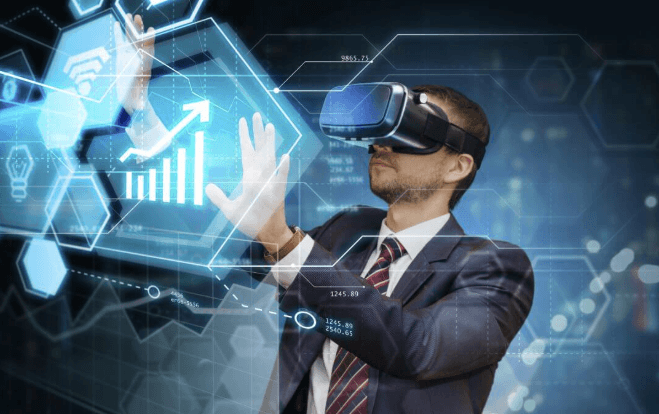
AR and VR are redefining how organizations innovate, moving from pilots to scalable, data-driven initiatives. By aligning immersive technologies with measurable goals, firms can map workflows, mitigate risk, and standardize governance across interoperable platforms. The path is collaborative: cross-functional teams partner with vendors to implement repeatable processes and track KPI-driven outcomes. With immersive onboarding and transparent progress, leaders gain clearer value signals—and a compelling case to pursue the next phase. The future starts with a concrete, connected plan.
AR/VR Enable in Business Innovation
AR and VR technologies are rapidly redefining how organizations conceive and execute innovation initiatives.
The analysis highlights measurable use cases and scalable pilots, revealing concrete pathways for immersive technology to impact operations, training, and design.
Adoption hurdles are acknowledged through data-driven risk assessments, while enterprise readiness emerges from standardized processes, governance, and interoperable platforms that empower collaborative experimentation and freedom to reimagine outcomes.
How to Choose the Right AR/VR Use Case for Your Goals
To align with the momentum from AR/VR Enable in Business Innovation, organizations should map their strategic goals to concrete, measurable use cases.
The assessment emphasizes selecting criteria, use case mapping, and autonomy constraints, balancing user adoption with implementation feasibility.
A data-driven, collaborative lens guides prioritization, ensuring freedom to experiment while preserving clear metrics, milestones, and scalable, value-driven outcomes.
Implementing AR/VR: Tools, Partners, and Process That Work
A practical blueprint emerges when organizations align the right tools, partners, and processes to their AR/VR ambitions, enabling rapid experimentation, measurable outcomes, and scalable adoption.
The approach emphasizes immersive onboarding, modular platforms, and vendor-agnostic pipelines for scalable prototyping.
Cross-functional governance, data-driven decisioning, and collaborative tooling ensure transparent progress, reducing risk while accelerating reliable implementation and value realization across diverse use cases.
Measuring Impact: KPIs and Case Studies for AR/VR Innovation
Measuring Impact: KPI-driven insights and case studies illuminate how AR/VR initiatives translate into tangible value across pilot halls and enterprise-wide deployments.
The analysis tracks measuring adoption across teams, surfaces momentum, and identifies bottlenecks, then links outcomes to business objectives.
Practices compare pilots, scale responsibly, and support collaborative governance.
Analyzing ROI informs budgeting, strategy, and ongoing investment in immersive innovation.
Frequently Asked Questions
What Are the Hidden Costs of Ar/Vr Deployments?
Hidden costs include integration complexity, content creation, ongoing maintenance, and security upgrades, while deployment timelines hinge on data readiness, stakeholder alignment, and vendor coordination; the approach remains visionary, data-driven, and collaborative for teams seeking freedom through measured progress.
How Do Ar/Vr Skills Translate to ROI Timelines?
ROI timelines emerge from disciplined skills translation, ROI timelines emerge from disciplined skills translation, ROI timelines emerge from disciplined skills translation. The envisioned workforce aligns training with measurable outcomes, data-driven collaboration, and freedom-driven experimentation driving scalable, visionary AR/VR ROI.
What Barriers Might Hinder User Adoption at Scale?
Barriers hindering user adoption at scale include barrier fatigue and standardization gaps, which slow experimentation; nevertheless, a data-driven, collaborative approach—balancing freedom with shared standards—can accelerate trust, interoperability, and widespread, visionary deployment.
Which Data Privacy Concerns Are Unique to Ar/Vr?
Data privacy concerns unique to AR/VR center on immersive data flows: excessive sensor capture and context inference. It pursues data minimization and robust consent management, enabling visionary, data-driven collaboration while preserving user freedom and trust in expansive experiences.
See also: Analytics in Marketing Success
How Can Ar/Vr Integrate With Existing Enterprise Systems?
AR and VR can enable AR data interoperability and VR system integration by aligning data models, APIs, and security policies across platforms, fostering collaborative workflows, scalable architectures, and transparent governance that empower enterprises while preserving freedom to innovate.
Conclusion
AR/VR in business innovation stands at the nexus of insight and impact, where data-driven pilots anticipate needs and collaboration translates ideas into scalable value. When goals and use cases align, cross-functional teams accelerate adoption with measurable KPIs and interoperable platforms. The result is a resilient ecosystem, transparent governance, and vendor-agnostic pipelines that unlock continuous improvement. Like a compass guiding a fleet, AR/VR leadership points organizations toward transformative outcomes while evolving with every validated insight.